
Cryptocurrency exchange
Created in 2009 by Satoshi Nakamoto, bitcoin (BTC) is the original cryptocurrency. As with most cryptocurrencies, BTC runs on a blockchain, or a ledger logging transactions distributed across a network of thousands of computers http://juicebet-bookmaker.com/. Because additions to the distributed ledgers must be verified by solving a cryptographic puzzle, a process called proof of work, bitcoin is kept secure and safe from fraudsters.
Almost. We have a process that we use to verify assets. Once verified, we create a coin description page like this. The world of crypto now contains many coins and tokens that we feel unable to verify. In those situations, our Dexscan product lists them automatically by taking on-chain data for newly created smart contracts. We do not cover every chain, but at the time of writing we track the top 70 crypto chains, which means that we list more than 97% of all tokens.
Cryptocurrency list brings you real-time cryptocurrency prices changes (1H, 24H, 7D), coin market cap, volume in the past 24H and available supply with price charts for each cryptocurrency. Below you’ll find a list of Top 100 cryptocurrencies by market cap, please click on the cryptocurrency to view even more details and price charts live (in real time).

Cryptocurrency bitcoin cryptocurrency
The number of Bitcoin owners has continued to steadily grow. According to a Morning Consult survey, 26% of millennials and 14% of all US adults own Bitcoin. Globally, it is estimated that by the end of 2023 there were 580 million crypto owners, with over 296 million Bitcoin owners. These estimates translate to an average global crypto ownership rate of 6.8% as of June 2024.
Play-to-earn (P2E) games, also known as GameFi, has emerged as an extremely popular category in the crypto space. It combines non-fungible tokens (NFT), in-game crypto tokens, decentralized finance (DeFi) elements and sometimes even metaverse applications. Players have an opportunity to generate revenue by giving their time (and sometimes capital) and playing these games.
Since bitcoin was introduced in 2009, this open-source cryptocurrency has come a long way. By combining cryptography, a proof-of-work mechanism, and a limited supply, Satoshi created a valuable asset and kickstarted a digital currency revolution. As the world adopts web3 technologies, bitcoin might play a significant role as a decentralized asset that represents freedom, security, and efficiency.
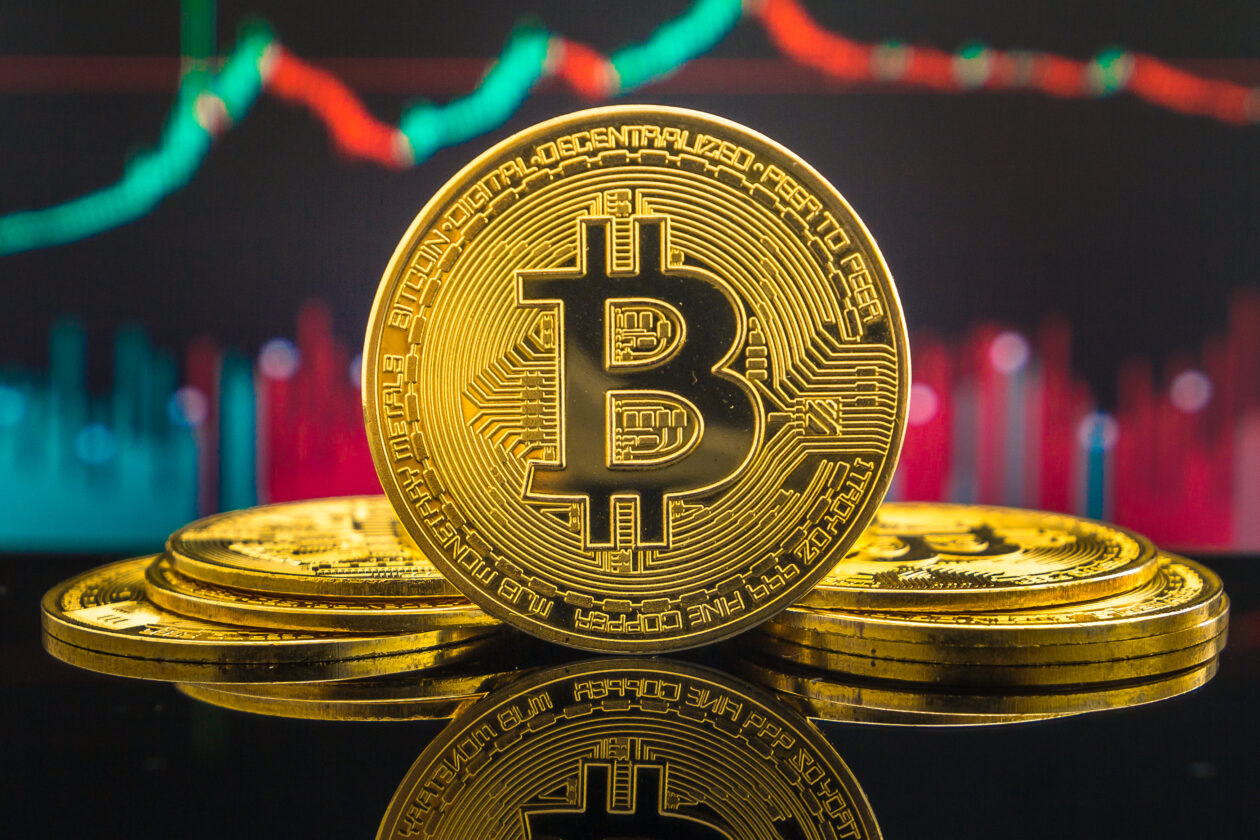
The number of Bitcoin owners has continued to steadily grow. According to a Morning Consult survey, 26% of millennials and 14% of all US adults own Bitcoin. Globally, it is estimated that by the end of 2023 there were 580 million crypto owners, with over 296 million Bitcoin owners. These estimates translate to an average global crypto ownership rate of 6.8% as of June 2024.
Play-to-earn (P2E) games, also known as GameFi, has emerged as an extremely popular category in the crypto space. It combines non-fungible tokens (NFT), in-game crypto tokens, decentralized finance (DeFi) elements and sometimes even metaverse applications. Players have an opportunity to generate revenue by giving their time (and sometimes capital) and playing these games.
What is cryptocurrency
The nodes perform a variety of roles on the network, from storing a full archive of all historical transactions to validating new transaction data. By having a distributed group of people all maintaining their own copy of the ledger, blockchain technology has the following advantages over traditional finance where a master copy is maintained by a single institution:
Cryptocurrency is a kind of digital currency that is intended to act as a medium of exchange. Cryptocurrency has become popular in the last decade, in particular, with Bitcoin becoming the most widely tracked alternative currency. Typically, cryptocurrency is digital-only and does not have a physical form — that graphic at the top of the page is just an artist’s vision of digital currency.
In proof-of-work (PoW) networks, crypto ‘miners’ from around the world race to solve a mathematical equation. This math problem helps to secure a blockchain network. The miner that solves this math problem first is able to validate and verify all the transactions within the latest block. They are rewarded in the ‘fees’ that users attach to their orders to have their transaction validated (it is not free!), and a network reward.