
All about cryptocurrency
The concept of cryptocurrency dates back to the early 2000s, but it wasn’t until 2009 that Bitcoin—created by an anonymous person (or group) known as Satoshi Nakamoto—was introduced as the first decentralized digital currency pinnacle sportsbook. Bitcoin’s launch was revolutionary, promising a system where people could exchange value without needing intermediaries like banks.
Some of these clever folks, called cypherpunks, thought that governments and corporations had too much power over our lives. They wanted to use the internet to give the people of the world more freedom. Using cryptography, cypherpunks wanted to allow users of the internet to have more control over their money and information. As you can tell, the cypherpunks didn’t like “trusted third parties” at all!
The genie is out of the bottle — cryptocurrencies have captured the imaginations of millions with promises of self-sovereignty, egalitarian opportunity, and disintermediation. The entire money stack appears destined for disruption by public blockchain ecosystems. While plenty of volatility and failure of weaker projects lies ahead, it seems the march toward an internet of value continues inexorably.
Cryptocurrencies are not just a passing trend—they have the potential to revolutionize the global financial system. Innovations like Decentralized Finance (DeFi) are allowing users to bypass traditional financial institutions and manage their finances independently. This shift could drastically alter the way we think about banking in the coming years.
What is cryptocurrency
Proof of stake systems have some similarities to proof of work protocols, in that they rely on users to collect and submit new transactions. But they have a different way of incentivizing honest behavior among those who participate in that process. Essentially, people who propose new blocks of information to be added to the record must put some cryptocurrency at stake. In many cases, your chances of landing a new block (and the associated rewards) go up as you put more at stake. People who submit inaccurate data can lose some of the money they’ve put at risk.
Mining cryptocurrency is generally only possible for a proof-of-stake cryptocurrency such as Bitcoin. And before you get too far, it is worth noting that the barriers to entry can be high and the probability of success relatively low without major investment.
This democratization of control allows blockchain networks to act far more efficiently than traditional organizations and governments, which employ expensive and time-consuming top-down leadership models.
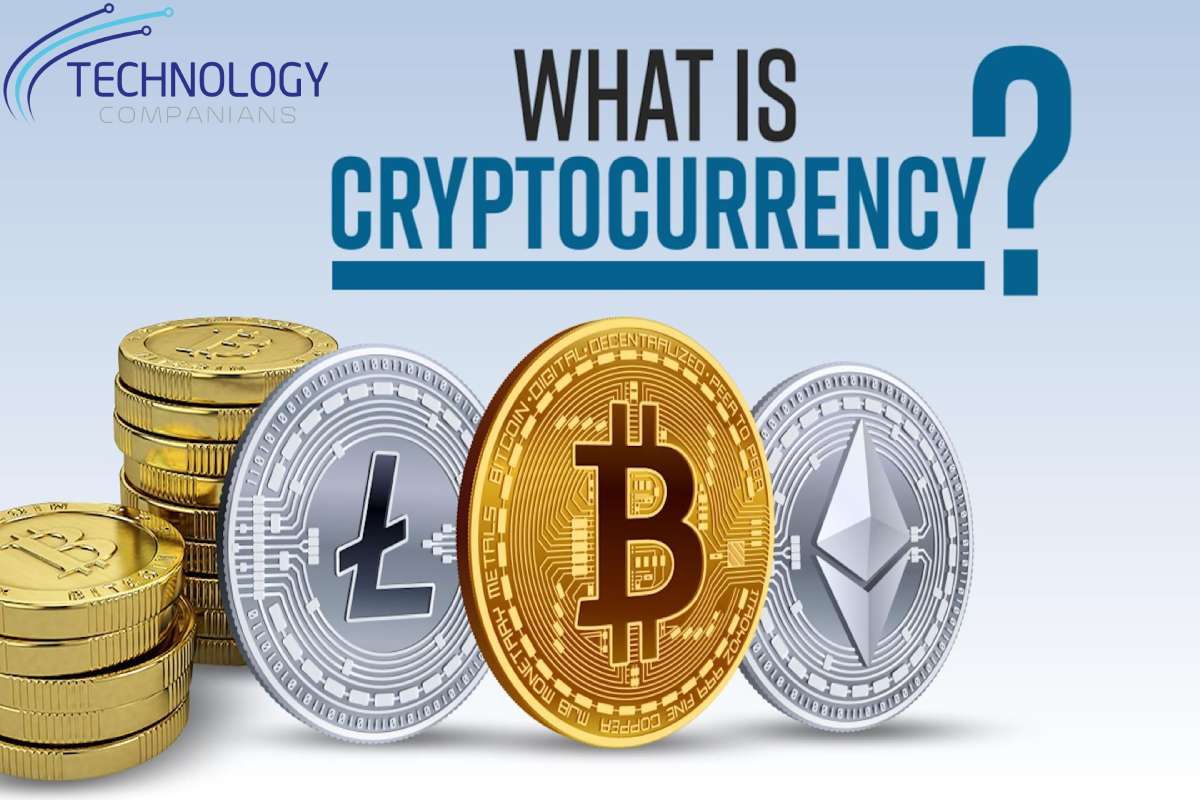
Proof of stake systems have some similarities to proof of work protocols, in that they rely on users to collect and submit new transactions. But they have a different way of incentivizing honest behavior among those who participate in that process. Essentially, people who propose new blocks of information to be added to the record must put some cryptocurrency at stake. In many cases, your chances of landing a new block (and the associated rewards) go up as you put more at stake. People who submit inaccurate data can lose some of the money they’ve put at risk.
Mining cryptocurrency is generally only possible for a proof-of-stake cryptocurrency such as Bitcoin. And before you get too far, it is worth noting that the barriers to entry can be high and the probability of success relatively low without major investment.
All about cryptocurrency for beginners
Whether it’s a down payment for a house or an important upcoming purchase, money that you need in the next few years should be kept in safe accounts so that it’s there when you need it. And if you’re looking for an absolutely sure return, your best option is to pay off high-interest debt. You’re guaranteed to earn (or save) whatever interest rate you’re paying on the debt. You can’t lose there.
Bankrate follows a strict editorial policy, so you can trust that we’re putting your interests first. All of our content is authored by highly qualified professionals and edited by subject matter experts, who ensure everything we publish is objective, accurate and trustworthy.
While cryptocurrency has become much easier to buy and sell thanks to widespread interest in it from the general public, the cryptocurrency rules and regulations are less well established than they are for other types of assets or currencies like stocks or dollars. This is true in the U.S. and in countries around the world, many of which are still determining whether to sanction the use of cryptocurrencies at all, and if they do, how to regulate them.
Developers frequently create memecoins as lighthearted social experiments, and investors view them as a humorous alternative to the seriousness of standard crypto, giving them minimal usefulness when compared to other cryptocurrencies.