All about cryptocurrency
Enthusiasts called it a victory for crypto; however, crypto exchanges are regulated by the SEC, as are coin offerings or sales to institutional investors. So, crypto is legal in the U lupin casino no deposit bonus.S., but regulatory agencies are slowly gaining ground in the industry.
You decide when to trade if you buy cryptocurrency directly from an exchange and sell on the exchange. You buy and sell crypto using whatever trading method you choose. You own the currency as you would hold dollars in a bank account, so when you lose money, it will directly affect your crypto wallet balance. When you earn money in a trade, that money is yours to store in your wallet for transactions or transfer to fiat currency.
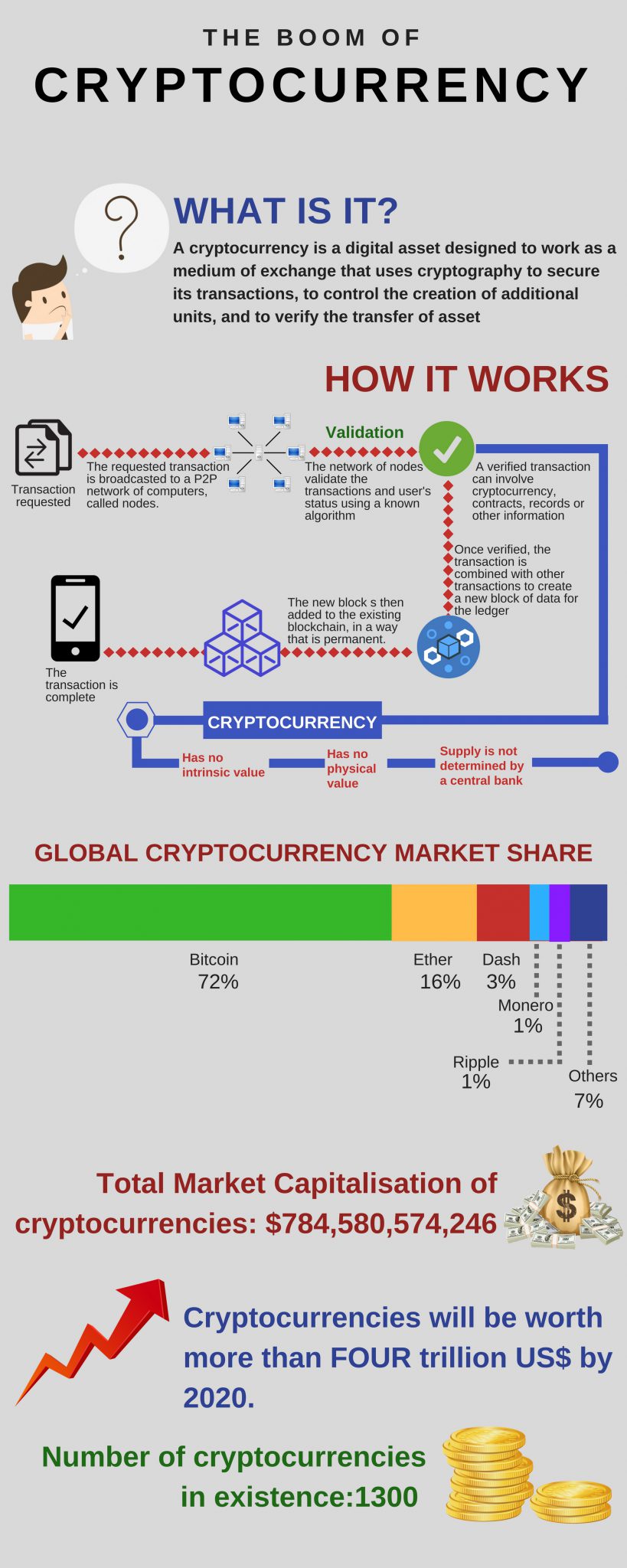
Every new block generated must be verified before being confirmed, making it almost impossible to forge transaction histories. The contents of the online ledger must be agreed upon by a network of individual nodes, or computers that maintain the ledger.
All about cryptocurrency
Experts say that blockchain technology can serve multiple industries, supply chains, and processes such as online voting and crowdfunding. Financial institutions such as JPMorgan Chase & Co. (JPM) are using blockchain technology to lower transaction costs by streamlining payment processing.
The legal status of cryptocurrencies varies substantially from country to country and is still undefined or changing in many of them. At least one study has shown that broad generalizations about the use of bitcoin in illicit finance are significantly overstated and that blockchain analysis is an effective crime fighting and intelligence gathering tool. While some countries have explicitly allowed their use and trade, others have banned or restricted it. According to the Library of Congress in 2021, an “absolute ban” on trading or using cryptocurrencies applies in 9 countries: Algeria, Bangladesh, Bolivia, China, Egypt, Iraq, Morocco, Nepal, and the United Arab Emirates. An “implicit ban” applies in another 39 countries or regions, which include: Bahrain, Benin, Burkina Faso, Burundi, Cameroon, Chad, Cote d’Ivoire, the Dominican Republic, Ecuador, Gabon, Georgia, Guyana, Indonesia, Iran, Jordan, Kazakhstan, Kuwait, Lebanon, Lesotho, Macau, Maldives, Mali, Moldova, Namibia, Niger, Nigeria, Oman, Pakistan, Palau, Republic of Congo, Saudi Arabia, Senegal, Tajikistan, Tanzania, Togo, Turkey, Turkmenistan, Qatar and Vietnam. In the United States and Canada, state and provincial securities regulators, coordinated through the North American Securities Administrators Association, are investigating “Bitcoin scams” and ICOs in 40 jurisdictions.
The cryptocurrencies of blockchains perceived to have a wide range of utilities are usually more valuable than those that don’t offer much. It all boils down, though, to the demand for the coin relative to its supply and whether the buyer is willing to pay more than the amount the seller initially acquired the coin for.
You can start investing in crypto with any amount of money you desire. However, you should bear in mind that most blockchains charge network fees to transact. On Ethereum, gas fees are usually a couple of dollars per transaction. Therefore, it would not make sense to invest or trade crypto if you wanted to start with $10 or so. You’d be down 20-30% because of the fees out of the gate!
Every new block generated must be verified before being confirmed, making it almost impossible to forge transaction histories. The contents of the online ledger must be agreed upon by a network of individual nodes, or computers that maintain the ledger.
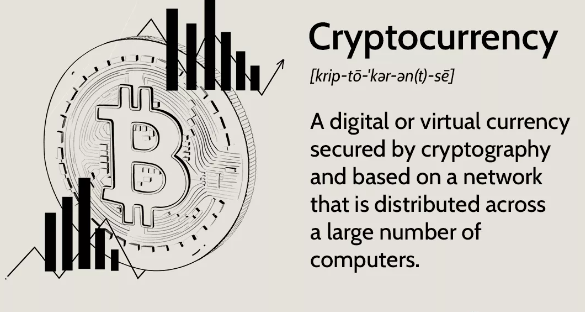
What is cryptocurrency
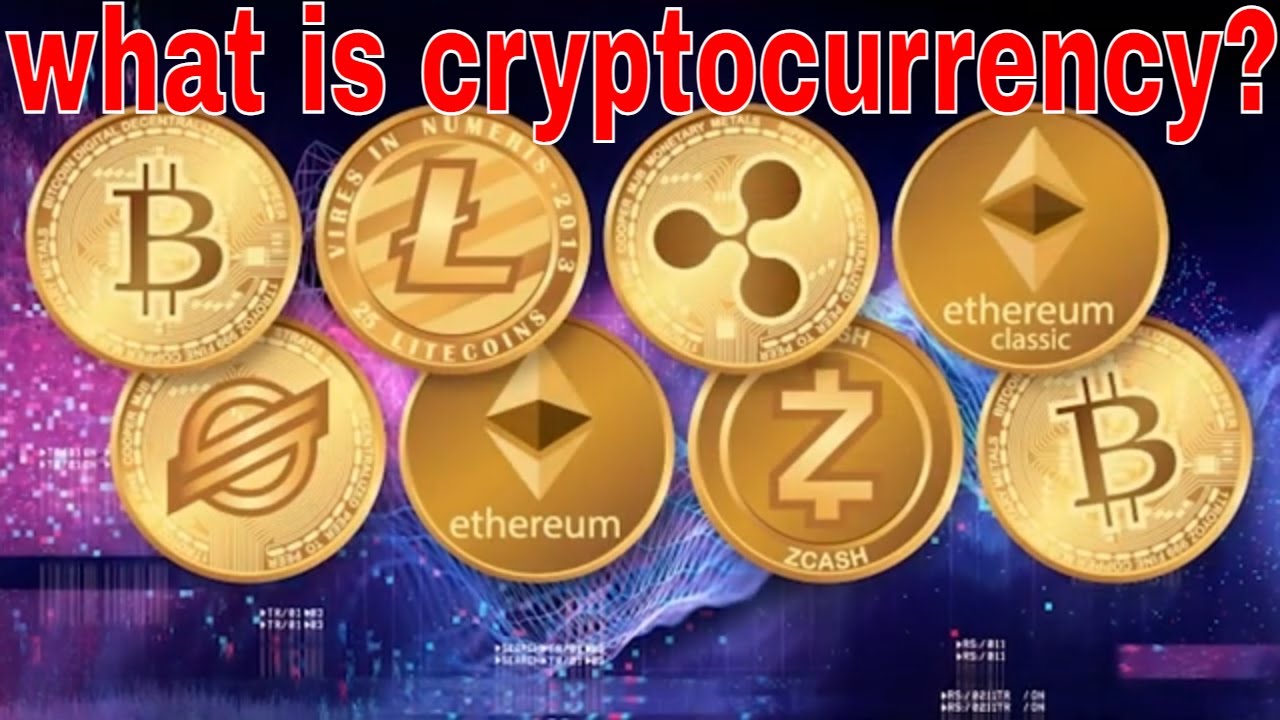
Because there are so many cryptocurrencies on the market, it’s important to understand the types. Knowing whether the coin you’re looking at has a purpose can help you decide whether it is worth investing in—a cryptocurrency with a purpose is likely to be less risky than one that doesn’t have a use.
The network assigns a math problem to your computer (node) if you are selected. After validation is done, your work is broadcasted to the entire network. If the network comes to a consensus, this block is added to the blockchain and you are rewarded in fees. Ethereum does not currently have a block reward; it is therefore a deflationary digital asset in 2023.
Every new block generated must be verified before being confirmed, making it almost impossible to forge transaction histories. The contents of the online ledger must be agreed upon by a network of individual nodes, or computers that maintain the ledger.
Many cryptocurrencies were created to facilitate work done on the blockchain they are built on. For example, Ethereum’s ether was designed to be used as payment for validating transactions and opening blocks. When the blockchain transitioned to proof-of-stake in September 2022, ether (ETH) inherited an additional duty as the blockchain’s staking mechanism. The XRP Ledger Foundation’s XRP is designed for financial institutions to facilitate transfers between different geographies.
There are also centralized databases, outside of blockchains, that store crypto market data. Compared to the blockchain, databases perform fast as there is no verification process. Four of the most popular cryptocurrency market databases are CoinMarketCap, CoinGecko, BraveNewCoin, and Cryptocompare.
Cryptocurrencies have attracted a reputation as unstable investments due to high investor losses from scams, hacks, bugs, and volatility. Although the underlying cryptography and blockchain are generally secure, the technical complexity of using and storing crypto assets can be a significant hazard to new users.