The landscape of modern gaming is a complex interplay of visual aesthetics and mechanical accuracy, where color and precision serve as fundamental pillars. These elements not only enhance the aesthetic appeal but also influence player engagement, emotional response, and overall experience. As technology advances, the way designers harness these components continues to evolve, leading to increasingly immersive and satisfying games.
In this article, we explore how the strategic use of color and mechanical precision shapes contemporary gaming, drawing connections between historical developments and cutting-edge innovations. By understanding these principles, developers can craft experiences that captivate players on both conscious and subconscious levels.
Historical Evolution of Visual Elements in Gaming
The visual presentation of games has undergone a profound transformation from mechanical devices to sophisticated digital displays. Early arcade machines and mechanical slot reels relied on simple symbols and limited color palettes, primarily to attract attention through contrast and basic aesthetics. With the advent of digital technology, the introduction of vibrant colors and detailed graphics revolutionized visual engagement.
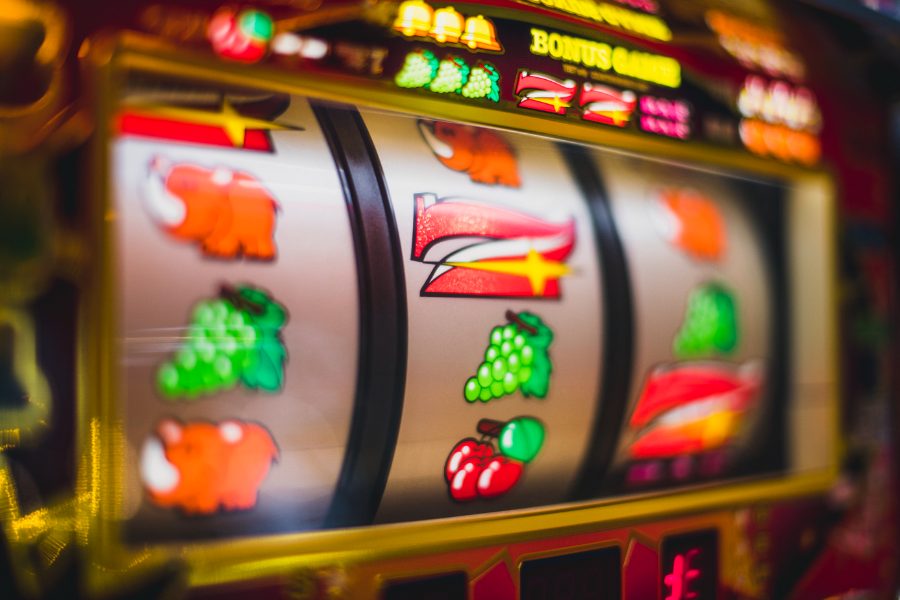
Color played an essential role in capturing players’ attention. For example, classic fruit machines used bright reds, greens, and yellows to stand out in arcades, establishing a visual language that persists today. As themes evolved—ranging from fantasy to sci-fi—designers employed richer, more complex color schemes to evoke specific atmospheres and emotions.
Simultaneously, the development of gameplay mechanics demanded greater precision. Early slot reels featured simple spinning mechanics, but as gaming became more interactive, mechanics such as cascading symbols, tumbling reels, and multi-layered interactions emerged—requiring meticulous synchronization between visuals and mechanics to ensure fairness and enjoyment.
The Psychological Power of Color in Gaming
Colors influence players’ emotions and decision-making processes on a subconscious level. For instance, red can evoke excitement and urgency, while blue tends to promote calmness and trust. Game designers leverage this psychological impact to guide player behavior and enhance engagement.
The RGB color model enables precise control over visual elements, allowing designers to craft backgrounds and interfaces that create immersive illusions. For example, subtle variations in shades—such as a soft pink background—can evoke feelings of comfort or excitement, depending on the context, through visual illusions and color psychology.
Case Study: Many popular slot machines utilize specific color schemes to amplify psychological effects. Bright, contrasting colors are used to increase visibility and stimulate excitement, often leading to longer play sessions and heightened emotional responses. This strategic use of color demonstrates how visual design directly influences player behavior and satisfaction.
Precision and Mechanics: Crafting Seamless Player Experiences
Mechanical and visual precision are crucial for maintaining fairness, trust, and engagement in gaming. Precise synchronization between animations, sound effects, and mechanical responses ensures a seamless experience that feels both natural and reliable. Small inaccuracies can disrupt immersion or cause perceptions of unfairness.
A cultural prototype illustrating this is the cascading ball mechanics in Japanese pachinko machines, where the precise timing of ball drops and mechanical responses creates a captivating and fair gaming environment. Such mechanics exemplify how meticulous engineering and visual accuracy foster a sense of mastery and fairness.
Modern game design has evolved tumble mechanics—where symbols fall and form new combinations—requiring exact calculations for physics and animations. These innovations influence player perception of randomness and control, emphasizing the importance of precise mechanics in creating engaging gameplay.
Modern Examples of Color and Precision in Gaming
Contemporary games exemplify how thoughtful integration of color schemes and precise animations enhance user engagement. Sweet Rush Bonanza serves as a prime illustration of this principle, combining vibrant visuals with smooth mechanics to captivate players and encourage prolonged interaction.
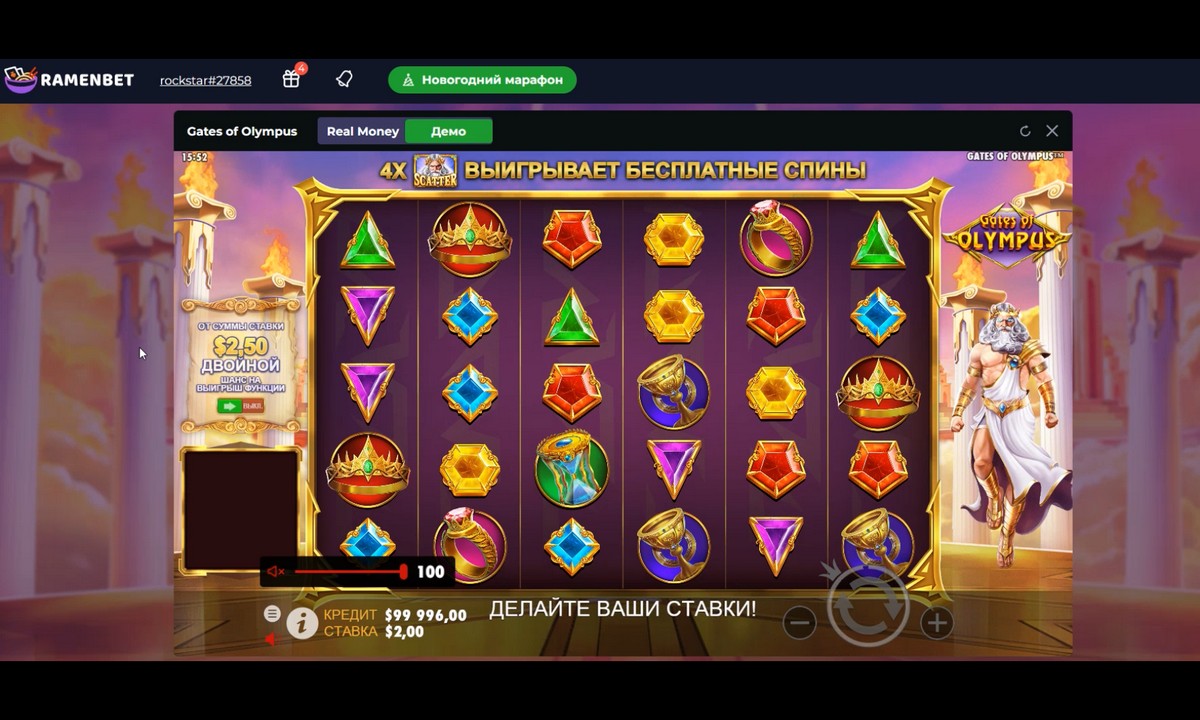
Effective use of color schemes—such as warm golds and rich purples—alongside high-definition animations, creates an immersive environment that retains player interest. Visual feedback, like flashing symbols or animated reels, reinforces successful spins and builds anticipation, directly impacting player satisfaction.
Research indicates that precise animations and immediate visual feedback significantly increase player retention and perceived fairness, illustrating the importance of accuracy and aesthetic coherence.
Non-Obvious Factors Shaping Modern Gaming Experiences
Beyond aesthetics and mechanics, cultural prototypes influence game design and aesthetics. For example, traditional Asian motifs often inspire mechanics like cascading symbols, reflecting cultural storytelling through gameplay. These prototypes affect aesthetic choices, mechanics, and even color palettes, creating a layered experience rooted in cultural context.
Technological innovations such as high-definition visuals, real-time rendering, and adaptive lighting have dramatically increased color richness and precision. These advancements enable developers to create more realistic environments, detailed textures, and dynamic color shifts—enhancing immersion and emotional impact.
Accessibility considerations—such as color contrast for players with visual impairments—are increasingly recognized as vital. Thoughtful design ensures a broader audience can enjoy the visual richness and mechanics of modern games, emphasizing inclusivity alongside innovation.
Future Trends: How Color and Precision Will Continue to Shape Gaming
Emerging technologies like adaptive color schemes powered by AI will allow games to personalize visuals based on player preferences and emotional states. Meanwhile, AI-driven precision enhancements will enable more lifelike animations and mechanics, reducing errors and increasing realism.
Future innovations may also revisit and reinterpret cultural prototypes, blending tradition with cutting-edge tech to create novel gameplay aesthetics. The ongoing pursuit is to craft experiences that are not only visually captivating but also mechanically seamless and emotionally resonant.
Ultimately, the integration of adaptive, AI-enhanced visuals and mechanics promises a new era of immersive gaming—where color and precision synergize to produce never-before-seen levels of engagement and realism.
Conclusion: The Synergy of Color and Precision as the Foundation of Modern Gaming
“The future of gaming lies in the harmonious integration of vibrant aesthetics and meticulous mechanics, creating worlds that captivate and engage on multiple levels.”
Throughout history, the interplay between color and mechanical precision has driven innovations that transform how players experience digital worlds. Thoughtful design, rooted in understanding psychological impacts and cultural influences, results in games that are not only visually stunning but also fair and engaging.
As exemplified by contemporary titles like Sweet Rush Bonanza, the ongoing evolution emphasizes the importance of integrating aesthetic appeal with technical accuracy. This synergy ensures that gaming continues to evolve into a deeply immersive and emotionally compelling medium for entertainment and storytelling.