
Bitcoin cryptocurrency
Yes, you can access historical cryptocurrency market data via the /v1/global-metrics/quotes/historical API endpoint. This allows you to retrieve past global market metrics, such as market capitalization and Bitcoin dominance, based on specified time ranges and intervals https://onlineigaming.com/stargames/.
Willkommen bei CoinMarketCap.com! Die Seite wurde im Mai 2013 von Brandon Chez gegründet, um topaktuelle Preise, grafische Darstellungen und sonstiges Datenmaterial der sich neu entwickelnden Kryptowährungs-Märkte zur Verfügung zu stellen. Zwischenzeitlich ist die Welt von Blockchain und Kryptowährung exponentiell gewachsen und wir sind sehr stolz darauf, dabei mitgewachsen zu sein. Wir nehmen unser Datenmaterial sehr ernst und manipulieren unsere Daten nicht, damit sie gewünschten Darstellungen entsprechen, im Gegenteil: wir stehen für präzise, pünktliche und unbefangene Informationen.
NFTs are multi-use images that are stored on a blockchain. They can be used as art, a way to share QR codes, ticketing and many more things. The first breakout use was for art, with projects like CryptoPunks and Bored Ape Yacht Club gaining large followings. We also list all of the top NFT collections available, including the related NFT coins and tokens.. We collect latest sale and transaction data, plus upcoming NFT collection launches onchain. NFTs are a new and innovative part of the crypto ecosystem that have the potential to change and update many business models for the Web 3 world.
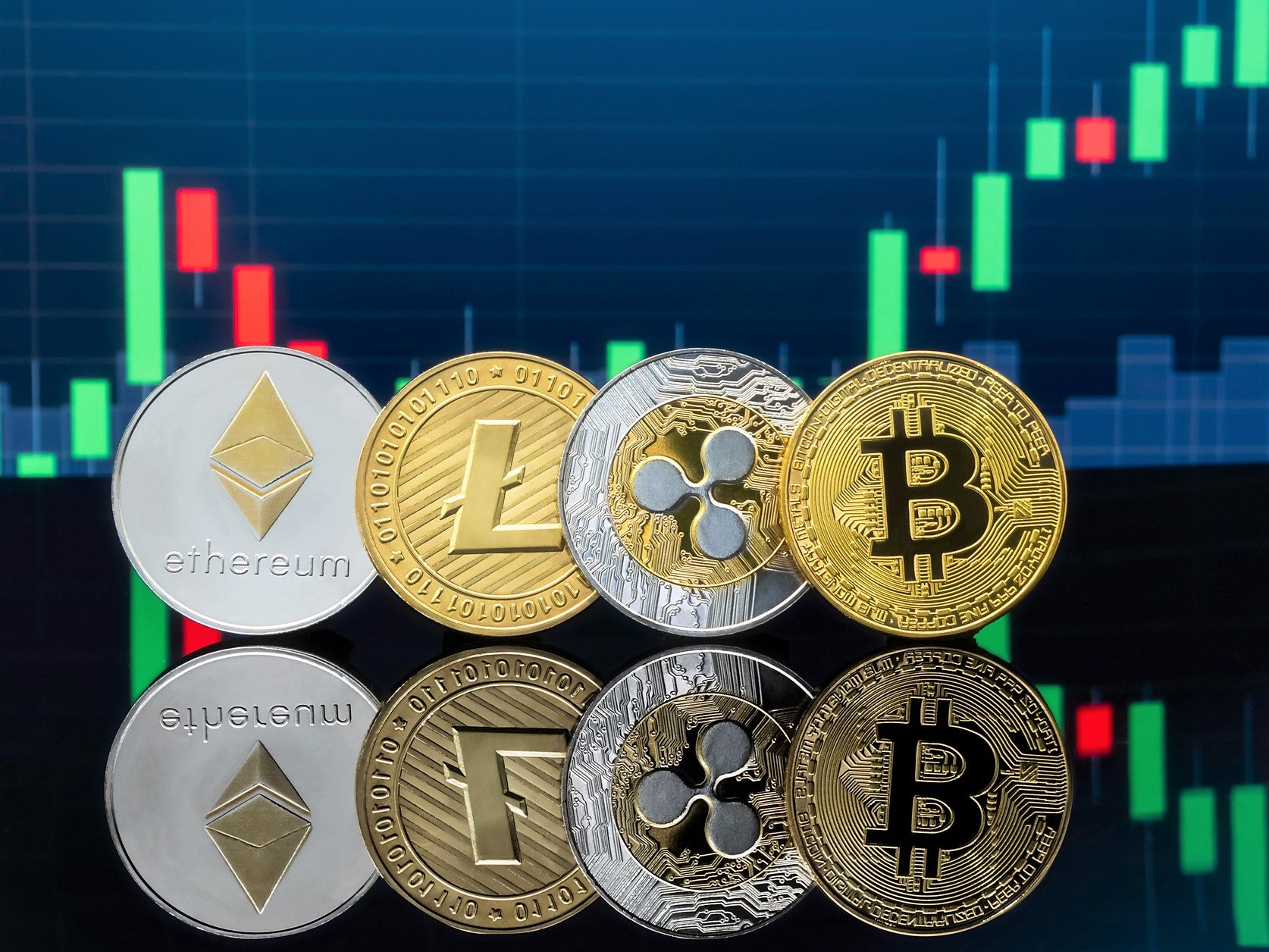
What is cryptocurrency
Cryptocurrencies are legal in the European Union. Derivatives and other products that use cryptocurrencies must qualify as “financial instruments.” In June 2023, the European Commission’s Markets in Crypto-Assets (MiCA) regulation went into effect. This law sets safeguards and establishes rules for companies or vendors providing financial services using cryptocurrencies.
Crypto purchases with credit cards are considered risky, and some exchanges don’t support them. Some credit card companies don’t allow crypto transactions either. This is because cryptocurrencies are highly volatile, and it is not advisable to risk going into debt — or potentially paying high credit card transaction fees — for certain assets.
Many cryptocurrencies have a limited supply. For example, Bitcoin has a predictable issuance rate and a max supply of 21 million coins, contributing to its potential as a store of value. Limited supply helps prevent inflation and may lead to increased demand over time.
Cryptocurrencies are legal in the European Union. Derivatives and other products that use cryptocurrencies must qualify as “financial instruments.” In June 2023, the European Commission’s Markets in Crypto-Assets (MiCA) regulation went into effect. This law sets safeguards and establishes rules for companies or vendors providing financial services using cryptocurrencies.
Crypto purchases with credit cards are considered risky, and some exchanges don’t support them. Some credit card companies don’t allow crypto transactions either. This is because cryptocurrencies are highly volatile, and it is not advisable to risk going into debt — or potentially paying high credit card transaction fees — for certain assets.
Top cryptocurrency
TRON (TRX) is a decentralised blockchain platform founded by Justin Sun, a Chinese entrepreneur. Originally launched as ERC-20 tokens on Ethereum, TRX transitioned to its own network in 2018 and has seen significant adoption from those using it for fast and cheap stablecoin payments.
Bitcoin’s price has skyrocketed as it’s become a household name. In May 2016, you could buy one bitcoin for about $500. As of Jan. 21, 2025, a single bitcoin’s price was around $104,933. That’s a growth of 20,887%.
Created in 2009 by Satoshi Nakamoto, bitcoin (BTC) is the original cryptocurrency. As with most cryptocurrencies, BTC runs on a decentralised blockchain technology, which is a ledger logging transactions distributed across a network of thousands of computers. Because additions to the distributed ledgers must be verified by solving a cryptographic puzzle, a process called proof of work, bitcoin is kept secure and safe from fraudsters.